
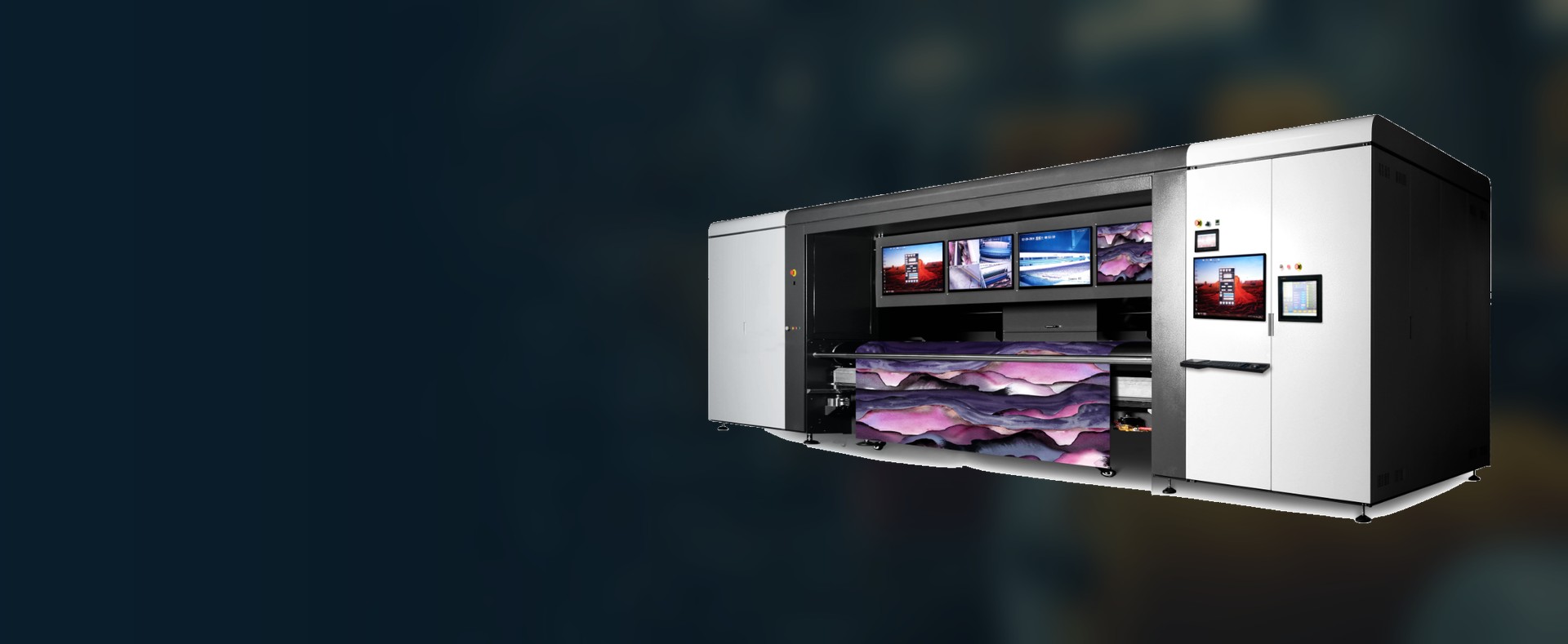
Why Kenyan Carpet Manufacturers Are Switching to Water-Free Printing
Kenya’s manufacturing sector is evolving rapidly as businesses adopt modern technologies that improve efficiency, reduce operating costs, and support environmental sustainability. Within the textile and flooring industries, one of the most significant developments is the growing adoption of water-free carpet printing in Kenya.
Traditional textile printing methods have long relied on large quantities of water for dyeing, washing, and finishing processes. While these methods have been widely used for decades, they often lead to high operating costs, excessive resource consumption, and environmental concerns. Today, modern digital carpet printing technologies are providing a smarter alternative.
Water-free printing systems allow manufacturers to produce vibrant, high-quality carpets while significantly reducing water usage, waste generation, and production costs. As a result, many Kenyan carpet manufacturers are making the transition to digital printing technologies that support both profitability and sustainability.
In this article, we explore why water-free carpet printing is gaining popularity in Kenya and how it is transforming the future of textile manufacturing.
The Challenge with Traditional Carpet Printing
Traditional carpet printing methods often involve multiple stages that consume large volumes of water.
These processes typically include:
- Dye preparation
- Fabric washing
- Color fixation
- Cleaning and rinsing
- Finishing treatments
For manufacturers producing carpets at scale, water consumption can become a major operational expense.
In addition to direct costs, businesses must also consider:
- Wastewater treatment
- Environmental compliance
- Energy usage
- Chemical management
- Production delays
As environmental regulations continue to evolve and utility costs increase, manufacturers are seeking more sustainable alternatives.
What Is Water-Free Carpet Printing?
Water-free carpet printing refers to digital printing technologies that significantly reduce or eliminate the need for water-intensive production processes.
Instead of using traditional dye baths and washing systems, advanced digital printers apply ink directly onto carpet materials with exceptional precision.
This modern approach offers several advantages:
- Minimal water consumption
- Faster production cycles
- Reduced waste
- Improved color consistency
- Greater design flexibility
The technology is increasingly being adopted by carpet manufacturers looking to modernize operations and improve competitiveness.
Why Kenyan Manufacturers Are Making the Switch
Rising Water Costs
Water is a critical resource in manufacturing, and its cost continues to increase in many regions.
Traditional printing methods require substantial amounts of water throughout the production process.
By switching to water-free carpet printing, manufacturers can significantly reduce utility expenses while improving resource efficiency.
For businesses operating in areas where water availability is limited, this benefit becomes even more valuable.
Growing Demand for Sustainable Manufacturing
Consumers and organizations are increasingly prioritizing sustainability when selecting products and suppliers.
Hotels, corporations, developers, and government institutions often prefer to work with manufacturers that demonstrate environmentally responsible practices.
Water-free carpet printing helps businesses align with these expectations by reducing their environmental footprint.
This can create a competitive advantage when bidding for large projects or supplying environmentally conscious clients.
Reduced Production Costs
One of the biggest reasons manufacturers adopt water-free printing technology is the potential for long-term cost savings.
Lower Utility Expenses
Reduced water consumption means lower utility bills.
Manufacturers also spend less on wastewater treatment and disposal processes.
Less Material Waste
Digital printing applies ink only where needed, minimizing waste and improving production efficiency.
Reduced Labor Requirements
Many digital printing systems automate processes that previously required manual intervention.
This helps improve productivity while reducing operational complexity.
Over time, these efficiencies can generate substantial savings.
Faster Production and Delivery Times
Modern customers expect quick turnaround times.
Traditional printing methods often require extensive setup and preparation before production can begin.
Water-free digital printing offers several advantages:
- Faster design changes
- Shorter setup times
- On-demand production
- Quick order fulfillment
Manufacturers can respond more effectively to customer demands while reducing production bottlenecks.
This is particularly important for custom carpet projects where speed and flexibility are essential.
Improved Design Flexibility
Today’s customers increasingly demand unique and personalized products.
Water-free digital carpet printing allows manufacturers to create:
- Custom hotel carpets
- Corporate-branded flooring
- Retail environment graphics
- Educational institution branding
- Luxury residential designs
- Event and exhibition carpets
Complex patterns and vibrant colors can be reproduced with exceptional accuracy.
Unlike traditional methods, there is no need for expensive screens or lengthy setup processes when changing designs.
This makes customized production far more practical and cost-effective.
Enhanced Product Quality
Modern digital printing technologies deliver impressive quality improvements.
Manufacturers benefit from:
High-Resolution Printing
Advanced printheads produce sharp images and intricate details.
Consistent Color Accuracy
Digital systems maintain color consistency across production runs.
Better Customer Satisfaction
High-quality output helps manufacturers build stronger reputations and attract repeat business.
For industries such as hospitality and interior design, product quality is often a key purchasing factor.
Supporting Kenya’s Sustainability Goals
Kenya continues to promote sustainable industrial development through initiatives aimed at improving resource efficiency and reducing environmental impact.
Water-free carpet printing aligns with these objectives by:
- Conserving water resources
- Reducing industrial waste
- Lowering energy consumption
- Supporting cleaner production practices
As sustainability becomes increasingly important in manufacturing, businesses adopting environmentally friendly technologies are likely to benefit from stronger market positioning.
Industries Benefiting from Water-Free Carpet Printing
Several sectors are driving demand for digitally printed carpets in Kenya.
Hospitality
Hotels and resorts require customized flooring that reflects their brand identity.
Commercial Real Estate
Office buildings and shopping centers often seek unique flooring solutions.
Education
Schools and universities use branded carpets and custom interior designs.
Events and Exhibitions
Temporary flooring for conferences and trade shows frequently incorporates custom graphics and branding.
These markets continue to expand, creating new opportunities for manufacturers utilizing water-free printing technologies.
The Future of Carpet Manufacturing in Kenya
The transition toward digital, water-efficient production methods is expected to accelerate over the coming years.
Manufacturers that invest in water-free carpet printing technologies can position themselves to benefit from:
- Lower operating costs
- Increased production efficiency
- Greater customization capabilities
- Stronger environmental credentials
- Access to new market opportunities
As competition grows, businesses that embrace innovation will be better equipped to meet evolving customer demands.
Conclusion
Water-free carpet printing in Kenya is transforming the way carpets are manufactured. By reducing water consumption, lowering costs, improving production efficiency, and supporting sustainable manufacturing practices, digital printing technology is helping businesses remain competitive in a rapidly changing market.
As demand for customized flooring solutions continues to grow across hospitality, commercial, educational, and residential sectors, more manufacturers are recognizing the advantages of water-free printing systems. Investing in modern digital carpet printing technology is not only a smart business decision—it is a strategic step toward the future of textile manufacturing in Kenya and East Africa.