
The Cost of Setting Up a Digital Carpet Printing Business in Kenya
The demand for customized carpets and digitally printed flooring solutions is growing across Kenya and East Africa. Hotels, office buildings, shopping malls, schools, event organizers, and homeowners are increasingly looking for unique carpet designs that match their branding and interior décor requirements. This growing demand is creating new opportunities for entrepreneurs and investors interested in starting a digital carpet printing business in Kenya.
While digital carpet printing offers attractive profit potential, understanding the startup costs is essential before making an investment. From equipment and premises to staffing and consumables, several factors determine the total amount required to establish a successful operation.
This guide breaks down the major costs involved in setting up a digital carpet printing business and explains how entrepreneurs can plan for long-term success.
Why Invest in Digital Carpet Printing?
Traditional carpet manufacturing methods often require expensive setup processes, large production volumes, and significant labor resources. Digital carpet printing changes this by allowing manufacturers to produce custom designs quickly and efficiently.
Benefits of digital carpet printing include:
- High-quality custom designs
- Faster production times
- Reduced material waste
- Lower setup costs for custom orders
- Greater flexibility for small and large production runs
- Access to multiple market segments
As Kenya’s hospitality, real estate, retail, and commercial sectors continue to grow, demand for customized flooring solutions is expected to increase.
Initial Investment: Digital Carpet Printing Equipment
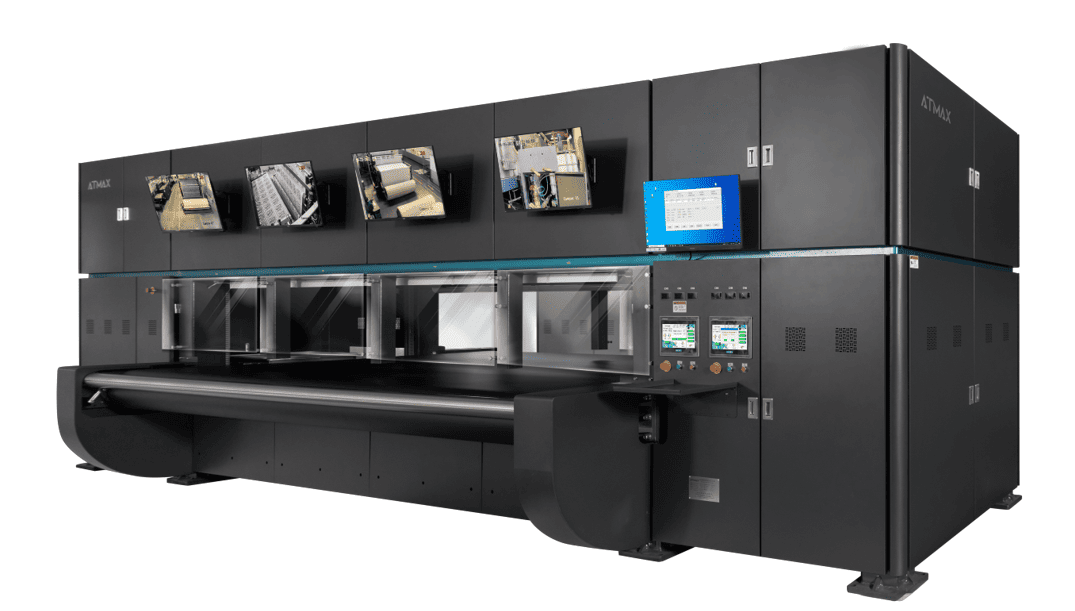
The largest expense when starting a digital carpet printing business is purchasing the printing equipment.
Modern digital carpet printers vary significantly depending on:
- Printing width
- Production speed
- Automation level
- Printhead technology
- Material compatibility
Industrial carpet printers designed for commercial production generally require a higher investment than standard textile printers.
When evaluating equipment suppliers, businesses should focus on:
Machine Quality
A reliable machine reduces downtime and maintenance costs.
Production Capacity
The printer should match expected production volumes.
Technical Support
Access to training, spare parts, and service support is critical for long-term success.
While equipment costs vary depending on specifications and manufacturer, businesses should view the printer as a long-term investment rather than simply focusing on the lowest purchase price.
Facility and Workspace Costs
A digital carpet printing operation requires adequate space for production activities.
The facility should accommodate:
- Printing equipment
- Material storage
- Finished product storage
- Design and administration offices
- Quality control processes
Factors affecting facility costs include:
Location
Industrial areas often provide better access to transportation and logistics networks.
Space Requirements
Larger production facilities may be necessary for high-volume operations.
Utilities
Businesses should budget for electricity, internet connectivity, water (where required), and security services.
Choosing a strategic location can improve operational efficiency and reduce transportation expenses.
Software and Design Systems
Digital carpet printing relies heavily on design software and production management tools.
Businesses typically require:
- Graphic design software
- Color management systems
- Printer control software
- Workflow management tools
These systems ensure accurate design reproduction and efficient production scheduling.
Investing in professional software improves product quality and customer satisfaction.
Raw Materials and Consumables
Every digital carpet printing business requires ongoing supplies to maintain production.
Key consumables include:
Carpet Materials
Manufacturers may print on:
- Nylon carpets
- Polyester carpets
- Wool carpets
- Polypropylene carpets
Textile Inks
High-quality inks are essential for producing durable and vibrant designs.
Maintenance Supplies
Routine maintenance materials help keep equipment operating efficiently.
Businesses should establish reliable supply chains to avoid production delays.
Staffing and Training Costs
Even with advanced automation, skilled personnel remain essential.
A typical operation may require:
- Machine operators
- Graphic designers
- Production supervisors
- Sales and marketing staff
- Administrative personnel
Training is particularly important when implementing new digital printing technologies.
Properly trained staff help:
- Improve productivity
- Reduce material waste
- Maintain equipment performance
- Deliver consistent product quality
Many equipment suppliers provide operator training as part of the installation process.
Marketing and Customer Acquisition
Starting a digital carpet printing business requires more than purchasing equipment.
Businesses must also invest in marketing to attract customers.
Effective marketing strategies include:
Professional Website
A website helps showcase products and attract potential clients searching online.
Search Engine Optimization (SEO)
SEO helps businesses rank for keywords such as:
- Digital carpet printing in Kenya
- Custom carpet printing Kenya
- Carpet manufacturers Kenya
- Textile printing services Kenya
Social Media Marketing
Platforms such as Facebook, LinkedIn, Instagram, and TikTok can help businesses reach target audiences.
Industry Networking
Participating in trade shows and manufacturing exhibitions can generate valuable business opportunities.
Marketing should be viewed as an ongoing investment rather than a one-time expense.
Maintenance and Operational Costs
Equipment maintenance plays a crucial role in business profitability.
Ongoing operational costs may include:
- Equipment servicing
- Spare parts
- Ink replacement
- Utility bills
- Staff salaries
- Insurance
- Transportation and logistics
Preventive maintenance helps reduce downtime and extend equipment lifespan.
Businesses should include maintenance costs in their financial planning from the beginning.
Factors That Affect Startup Costs
Several variables influence the overall cost of establishing a digital carpet printing business.
Scale of Operations
Small businesses may start with limited production capacity, while larger manufacturers require more advanced equipment.
Target Market
Businesses serving hospitality and commercial sectors may require higher production capabilities.
Product Range
Offering a wider range of carpet products may require additional equipment and materials.
Automation Level
Fully automated systems typically involve higher upfront investments but lower long-term labor costs.
Understanding these factors helps entrepreneurs create realistic budgets and growth plans.
Is a Digital Carpet Printing Business Profitable?
The profitability of a digital carpet printing business depends on several factors, including production efficiency, market demand, pricing strategy, and customer acquisition.
Potential customers include:
- Hotels and resorts
- Office buildings
- Shopping malls
- Schools and universities
- Event organizers
- Interior designers
- Property developers
Because digital printing enables customized production, businesses can often charge premium prices for unique products.
With proper planning and effective marketing, digital carpet printing can become a highly profitable manufacturing venture.
Conclusion
Starting a digital carpet printing business in Kenya requires careful planning and investment, but the opportunities are significant. Growing demand for customized carpets, branded flooring, and modern interior design solutions is creating a strong market for digitally printed products across Kenya and East Africa.
By investing in quality equipment, skilled personnel, reliable supply chains, and effective marketing strategies, entrepreneurs can build a competitive business that serves hospitality, commercial, residential, and institutional markets. As digital printing technology continues to reshape the textile industry, businesses that embrace innovation today will be well positioned for future growth.