
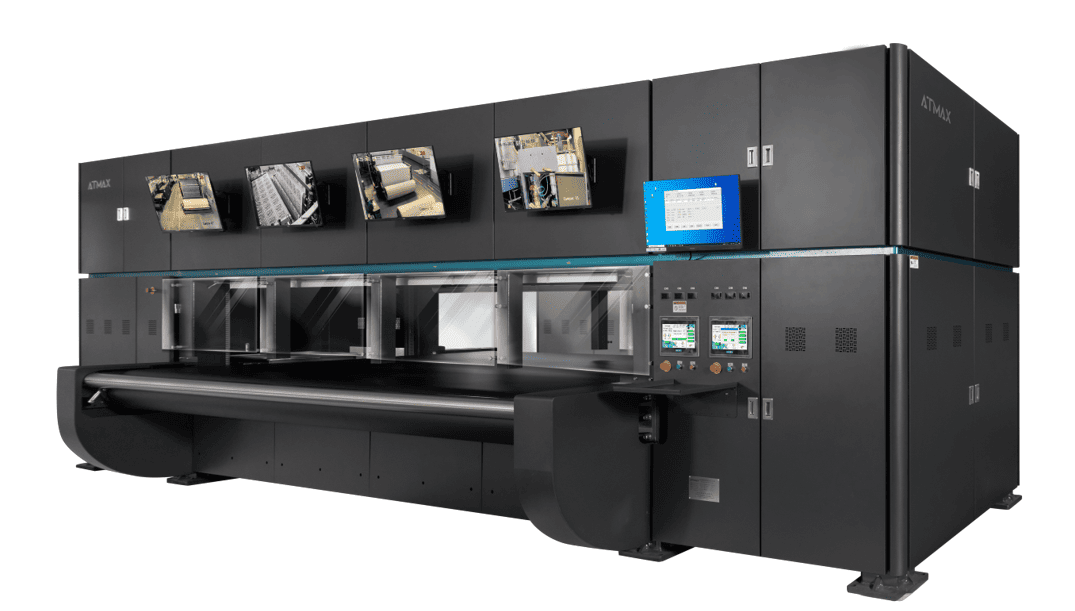
Digital vs. Screen Printing for Carpets: A Guide for East African Manufacturers
The carpet manufacturing industry in East Africa is undergoing significant transformation as businesses seek faster, more efficient, and more sustainable production methods. With growing demand for customized carpets in hotels, offices, schools, shopping malls, and residential developments, manufacturers are increasingly evaluating modern production technologies.
One of the most important decisions facing manufacturers today is choosing between digital vs screen printing for carpets. Both methods are widely used in the textile industry, but they differ significantly in terms of production process, cost, flexibility, quality, and scalability.
For carpet manufacturers in Kenya, Uganda, Tanzania, Rwanda, and other East African markets, understanding these differences is essential when planning future investments.
In this guide, we compare digital and screen printing technologies to help manufacturers determine which solution best fits their business needs.
Understanding Carpet Screen Printing
Screen printing is one of the oldest textile printing methods and has been used in carpet production for decades.
The process involves creating individual screens for each color in a design. Ink is then pushed through these screens onto the carpet surface to create the final pattern.
Screen printing remains popular for large-scale production because of its ability to reproduce repetitive designs efficiently.
Advantages of Screen Printing
Screen printing offers several benefits:
- Suitable for high-volume production
- Consistent results for repetitive designs
- Durable color application
- Proven manufacturing process
- Effective for simple patterns
For manufacturers producing large quantities of identical carpets, screen printing can still be a practical solution.
Limitations of Screen Printing
Despite its advantages, screen printing presents several challenges.
These include:
- High setup costs
- Limited design flexibility
- Longer production preparation times
- Significant material waste
- Difficulties with small production runs
- Increased labor requirements
Each design change often requires new screens, increasing both cost and production time.
Understanding Digital Carpet Printing
Digital carpet printing uses advanced inkjet technology to apply designs directly onto carpet materials.
Unlike screen printing, digital systems work directly from computer-generated artwork.
This allows manufacturers to print highly detailed and customized designs without creating physical screens.
Advantages of Digital Carpet Printing
Digital printing has become increasingly popular because of its flexibility and efficiency.
Key benefits include:
- Unlimited design possibilities
- Fast design changes
- Lower setup costs
- High-resolution printing
- Small-batch production capability
- Reduced waste
- Faster turnaround times
Manufacturers can produce unique designs for every customer without significantly increasing production costs.
Limitations of Digital Printing
While digital printing offers many advantages, manufacturers should consider:
- Higher initial equipment investment
- Technical training requirements
- Dependence on digital workflows
- Ongoing software and maintenance needs
However, many businesses find that the long-term benefits outweigh these challenges.
Design Flexibility: Which Technology Wins?
One of the biggest differences between digital and screen printing is design flexibility.
Screen Printing
Screen printing works best for:
- Repetitive designs
- Limited color variations
- Large production runs
- Standardized patterns
However, adding colors or modifying designs often increases production complexity.
Digital Printing
Digital printing excels in customization.
Manufacturers can easily produce:
- Personalized carpets
- Corporate-branded flooring
- Hotel-specific designs
- Photographic images
- Complex artwork
- Small custom orders
For businesses serving hospitality, commercial, and interior design markets, digital printing provides a significant advantage.
Winner: Digital Printing
Production Speed and Efficiency
Screen Printing
Although screen printing can be efficient once production is running, setup times can be lengthy.
Manufacturers must prepare screens, align colors, and perform testing before production begins.
Digital Printing
Digital systems eliminate most setup requirements.
Design files can be loaded directly into the printer, allowing production to begin almost immediately.
This significantly reduces lead times and improves responsiveness to customer requests.
Winner: Digital Printing
Cost Comparison
Cost is often a major factor when choosing a printing technology.
Initial Investment
Screen printing equipment generally has lower upfront costs compared to industrial digital carpet printers.
However, this is only part of the financial picture.
Long-Term Operating Costs
Screen printing often incurs additional costs through:
- Screen production
- Screen storage
- Setup labor
- Material waste
- Design changes
Digital printing eliminates many of these expenses.
For manufacturers producing customized products, digital printing often becomes more cost-effective over time.
Winner: Depends on Production Volume
For large runs of identical designs, screen printing may remain economical.
For customized or varied production, digital printing typically offers better value.
Environmental Impact
Sustainability is becoming increasingly important across East Africa’s manufacturing sector.
Screen Printing
Traditional screen printing often requires:
- Large amounts of water
- Chemical-intensive processes
- Greater waste generation
- Additional cleaning procedures
Digital Printing
Modern digital carpet printing systems help reduce environmental impact through:
- Reduced water consumption
- Lower waste production
- More efficient ink usage
- Cleaner production processes
Businesses seeking environmentally responsible manufacturing practices often prefer digital solutions.
Winner: Digital Printing
Quality and Color Accuracy
Screen Printing
Screen printing delivers consistent results for simple, repetitive patterns.
However, reproducing highly detailed images can be challenging.
Digital Printing
Digital systems offer:
- High-resolution output
- Precise color matching
- Intricate design reproduction
- Photographic-quality images
This makes digital printing ideal for premium carpet products.
Winner: Digital Printing
Which Technology Is Best for East African Manufacturers?
The answer depends on business goals and target markets.
Screen Printing May Be Best If:
- You produce large volumes of identical carpets.
- Designs rarely change.
- Customization is not a major requirement.
- Initial capital investment is limited.
Digital Printing May Be Best If:
- You serve hospitality and commercial sectors.
- Customers require custom designs.
- Fast turnaround times are important.
- Sustainability is a priority.
- You want to offer premium products.
For many modern manufacturers, digital carpet printing provides greater flexibility and future growth potential.
The Future of Carpet Manufacturing in East Africa
Demand for customized flooring solutions is increasing throughout Kenya, Uganda, Tanzania, Rwanda, and neighboring markets.
Hotels, office developments, shopping centers, educational institutions, and event venues increasingly seek unique flooring products that reflect their brand identity.
Digital carpet printing is well positioned to meet these changing demands by enabling manufacturers to deliver personalized, high-quality products efficiently.
As technology becomes more accessible, digital printing is expected to play an increasingly important role in East Africa’s textile manufacturing sector.
Conclusion
When comparing digital vs screen printing for carpets, both technologies have strengths. Screen printing remains effective for high-volume production of standardized designs, while digital printing offers unmatched flexibility, customization, and efficiency.
For East African manufacturers looking to serve growing markets in hospitality, commercial interiors, corporate branding, and custom flooring, digital carpet printing provides significant competitive advantages. By investing in modern printing technologies, manufacturers can improve productivity, reduce waste, and position themselves for long-term success in a rapidly evolving industry.