
How to Maintain Your Digital Carpet Printer in Kenya: Service & Support Guide
Investing in a digital carpet printer is a significant step for any textile or carpet manufacturing business. Modern digital printing technology enables manufacturers to produce high-quality custom carpets, reduce waste, improve production efficiency, and serve a growing market for personalized flooring solutions. However, like any industrial equipment, a digital carpet printer requires regular maintenance to ensure optimal performance and long-term reliability.
Proper digital carpet printer maintenance in Kenya not only extends the lifespan of your equipment but also minimizes downtime, reduces repair costs, and helps maintain consistent print quality. For businesses operating in Kenya and across East Africa, preventive maintenance is essential for protecting their investment and maximizing profitability.
In this guide, we explore the best practices for maintaining a digital carpet printer, common issues to watch for, and the importance of reliable service and support.
Why Maintenance Is Important for Digital Carpet Printers
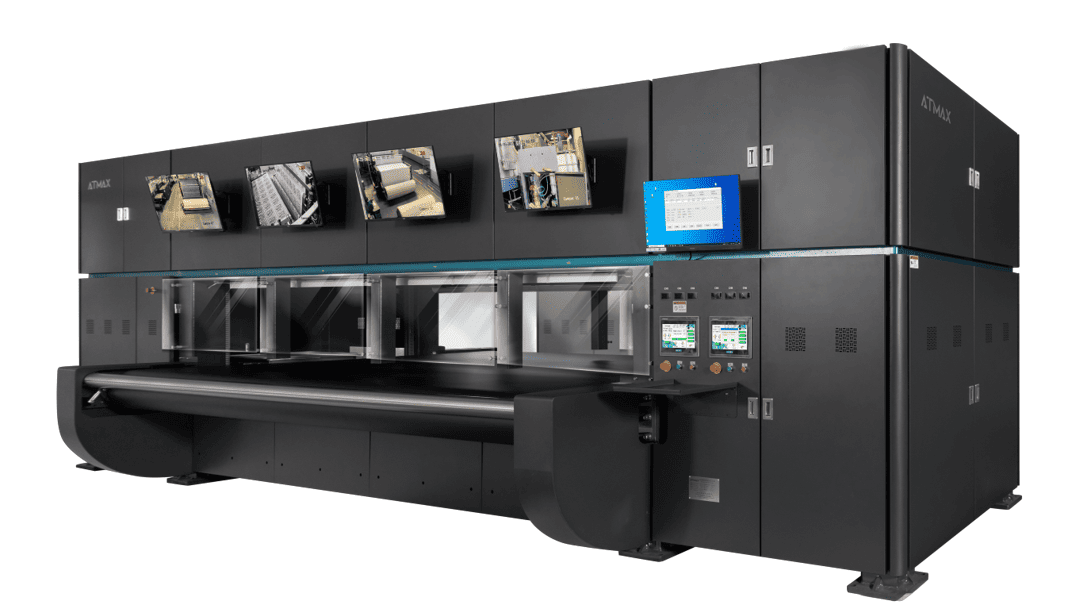
A digital carpet printer is a sophisticated machine made up of multiple components that work together to produce precise and vibrant prints.
Without regular maintenance, manufacturers may experience:
- Reduced print quality
- Production delays
- Increased operating costs
- Premature equipment wear
- Unexpected machine breakdowns
- Customer dissatisfaction
Routine maintenance helps ensure that the printer continues operating efficiently while delivering consistent results.
For businesses that rely on continuous production, preventive maintenance is often far less expensive than emergency repairs.
Daily Maintenance Tasks
Daily maintenance is the first line of defense against equipment problems.
Most digital carpet printer manufacturers recommend performing basic checks at the beginning and end of each production day.
Clean Printheads
Printheads are among the most critical components of any digital printing system.
Dust, dried ink, and debris can affect print quality and lead to clogged nozzles.
Daily cleaning helps maintain:
- Sharp image quality
- Accurate color reproduction
- Smooth ink flow
- Reliable printer performance
Always follow manufacturer recommendations when cleaning printheads.
Inspect Ink Levels
Low ink levels can interrupt production and potentially damage the printing system.
Operators should monitor:
- Ink availability
- Ink quality
- Proper cartridge installation
Maintaining adequate ink supplies helps avoid production delays.
Check Media Feeding Systems
Carpet materials must move smoothly through the printer.
Daily inspections should verify:
- Proper alignment
- Smooth feeding
- Absence of obstructions
- Consistent tension
Media handling problems can cause print defects and material waste.
Weekly Maintenance Procedures
In addition to daily inspections, weekly maintenance tasks help keep the printer operating efficiently.
Clean Internal Components
Dust and textile fibers can accumulate inside the machine.
Regular cleaning helps protect:
- Sensors
- Rollers
- Drive systems
- Electronic components
Maintaining a clean production environment further reduces contamination risks.
Inspect Ink Delivery Systems
Ink delivery systems should be checked for:
- Leaks
- Blockages
- Air bubbles
- Wear and tear
Early detection of issues can prevent costly repairs later.
Test Print Quality
Regular test prints help identify problems before they affect customer orders.
Operators should check for:
- Color accuracy
- Missing nozzles
- Banding
- Image distortion
Corrective action can then be taken before production continues.
Monthly Preventive Maintenance
Monthly maintenance focuses on deeper inspections and system optimization.
Calibrate the Printer
Printer calibration ensures:
- Accurate color reproduction
- Consistent print positioning
- Proper material handling
Calibration is especially important for businesses producing branded carpets and high-precision designs.
Inspect Mechanical Components
Technicians should examine:
- Belts
- Motors
- Bearings
- Rollers
- Drive mechanisms
Replacing worn components before failure reduces the risk of unexpected downtime.
Update Software
Many modern digital carpet printers rely on software for workflow management and machine control.
Regular software updates help:
- Improve performance
- Enhance security
- Resolve bugs
- Add new features
Manufacturers should follow supplier recommendations when applying updates.
Common Digital Carpet Printer Problems
Even with proper maintenance, occasional issues may occur.
Printhead Clogging
One of the most common problems involves clogged printheads.
Causes include:
- Dried ink
- Dust accumulation
- Infrequent printer use
Regular cleaning significantly reduces this risk.
Color Inconsistencies
Color variations may result from:
- Incorrect calibration
- Ink quality issues
- Software settings
- Printhead performance problems
Routine testing helps identify color issues early.
Material Feeding Errors
Improper material handling can lead to:
- Misaligned prints
- Wrinkled carpets
- Production waste
Operators should routinely inspect feeding systems to ensure proper operation.
The Importance of Genuine Spare Parts
When replacing components, manufacturers should always use genuine spare parts recommended by the equipment supplier.
Benefits include:
- Better reliability
- Proper compatibility
- Improved machine performance
- Longer equipment lifespan
Using low-quality replacement parts may result in additional repairs and production interruptions.
Why Professional Service Support Matters
Many maintenance tasks can be performed internally, but some situations require professional assistance.
Reliable service support provides:
Expert Troubleshooting
Experienced technicians can quickly identify and resolve complex issues.
Reduced Downtime
Fast repairs help minimize production disruptions.
Preventive Maintenance Programs
Scheduled servicing helps identify potential problems before they become serious.
Operator Training
Well-trained operators are better equipped to maintain equipment and avoid common mistakes.
Choosing an equipment supplier that offers strong after-sales support is one of the most important decisions a manufacturer can make.
Building a Maintenance Schedule
Every digital carpet printing business should establish a formal maintenance plan.
A typical schedule includes:
Daily
- Printhead cleaning
- Ink level checks
- Media system inspections
Weekly
- Internal cleaning
- Ink system inspections
- Test printing
Monthly
- Calibration
- Mechanical inspections
- Software updates
Documenting maintenance activities helps track machine performance and identify recurring issues.
Tips for Extending Printer Lifespan
Manufacturers can maximize equipment longevity by following a few simple practices.
Maintain a Clean Environment
Dust and textile fibers are common causes of equipment problems.
Train Operators Properly
Well-trained staff are less likely to make costly operational mistakes.
Use Recommended Consumables
Always use approved inks and maintenance products.
Address Problems Early
Small issues are easier and less expensive to resolve than major failures.
Consistent attention to maintenance helps ensure reliable long-term performance.
Choosing the Right Equipment Supplier
Maintenance begins before the machine is even installed.
When selecting a digital carpet printer supplier, businesses should consider:
- Technical support availability
- Spare parts access
- Training programs
- Warranty coverage
- Service response times
A supplier with strong support capabilities can significantly reduce operational risks.
Conclusion
Digital carpet printer maintenance in Kenya is essential for maximizing productivity, protecting equipment investments, and ensuring consistent product quality. Through regular cleaning, preventive maintenance, proper operator training, and access to reliable service support, manufacturers can minimize downtime and extend the lifespan of their equipment.
As digital carpet printing continues to grow across Kenya and East Africa, businesses that prioritize maintenance will enjoy better operational efficiency, lower repair costs, and improved customer satisfaction. Investing in both equipment and ongoing support is the key to building a successful and sustainable carpet printing operation.