
The Future of Textile Manufacturing in Kenya and East Africa
The textile industry has long been one of the most important sectors in Africa’s industrial development. In Kenya and across East Africa, textile manufacturing plays a vital role in job creation, economic growth, exports, and value addition. However, as global markets evolve and customer expectations change, manufacturers must adapt to new technologies and production methods to remain competitive.
Today, the future of textile manufacturing in Kenya is being shaped by digital transformation, automation, sustainable production, customization, and regional trade opportunities. These changes are creating exciting possibilities for businesses willing to invest in modern manufacturing technologies and innovative business models.
From digital textile printing and smart factories to eco-friendly production methods and growing regional demand, the future looks promising for manufacturers across Kenya, Uganda, Tanzania, Rwanda, and neighboring markets.
In this article, we explore the key trends that will define the future of textile manufacturing in East Africa.
Kenya’s Strategic Position in East Africa
Kenya has established itself as one of East Africa’s leading manufacturing hubs. Its strategic location, improving infrastructure, skilled workforce, and access to regional markets make it an attractive destination for textile investments.
Several factors support Kenya’s growth potential:
- Access to regional markets through the East African Community (EAC)
- Growing middle-class population
- Expanding urbanization
- Government support for industrialization
- Improved transportation networks
- Increasing foreign investment
These advantages provide a strong foundation for the continued growth of textile manufacturing.
Digital Printing Is Transforming Textile Production
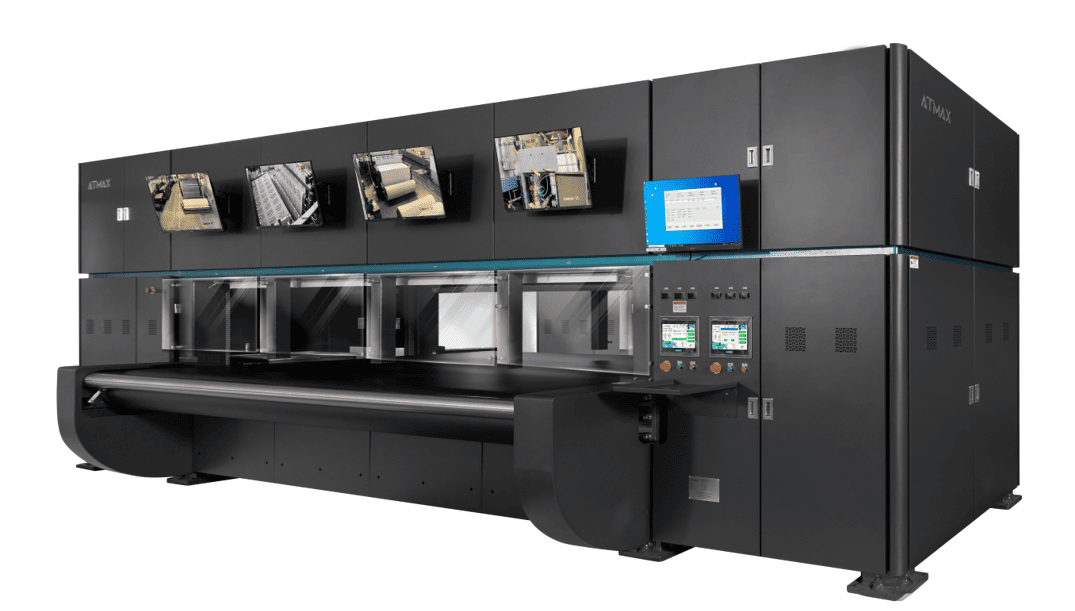
One of the biggest changes occurring within the textile sector is the adoption of digital printing technology.
Traditional textile production methods often involve lengthy setup processes, large production runs, and significant material waste.
Digital printing offers a more flexible alternative.
Benefits of Digital Textile Printing
Modern digital printing technologies provide:
- Faster production cycles
- Custom design capabilities
- Reduced waste
- Improved color accuracy
- Lower water consumption
- Short-run production flexibility
Manufacturers can now produce customized fabrics, carpets, upholstery materials, and interior décor products more efficiently than ever before.
As customer demand for personalization continues to grow, digital printing will become increasingly important across the textile industry.
The Rise of Digital Carpet Printing
One particularly promising segment is digital carpet printing.
Hotels, offices, shopping malls, educational institutions, and residential developments increasingly seek customized flooring solutions that align with their branding and design requirements.
Digital carpet printing allows manufacturers to produce:
- Custom hotel carpets
- Corporate-branded flooring
- Event carpets
- Educational institution flooring
- Luxury residential designs
This growing demand is creating significant opportunities for manufacturers throughout East Africa.
Automation and Smart Manufacturing
Automation is another trend reshaping the future of textile manufacturing.
Modern production facilities increasingly rely on advanced machinery, software systems, and automated workflows to improve efficiency.
Benefits of Automation
Automated systems help manufacturers:
- Increase productivity
- Reduce labor-intensive processes
- Improve product consistency
- Minimize waste
- Lower operating costs
- Enhance quality control
As technology becomes more accessible, automation will play a larger role in helping East African manufacturers compete globally.
Sustainability Is Becoming a Competitive Advantage
Environmental sustainability is no longer optional.
Consumers, governments, and corporate buyers increasingly expect manufacturers to adopt environmentally responsible practices.
Sustainable Manufacturing Trends
Leading textile manufacturers are investing in:
- Water-saving technologies
- Energy-efficient equipment
- Eco-friendly inks
- Waste reduction systems
- Recycling initiatives
- Cleaner production methods
Digital textile printing and water-free carpet printing technologies are particularly attractive because they significantly reduce resource consumption compared to traditional methods.
Businesses that embrace sustainability are likely to enjoy stronger customer trust and improved market positioning.
Growing Demand for Customized Products
Mass production remains important, but customization is becoming a major growth driver.
Today’s customers increasingly seek products tailored to their specific needs.
Examples include:
- Personalized home décor
- Custom carpets
- Branded commercial interiors
- Specialized hospitality textiles
- Unique fashion fabrics
Digital manufacturing technologies make it possible to produce customized products efficiently and profitably.
Manufacturers that offer personalization services will have access to new revenue opportunities and premium market segments.
Regional Trade Opportunities
The future of textile manufacturing in East Africa is closely linked to regional trade integration.
The African Continental Free Trade Area (AfCFTA) and regional economic partnerships are creating opportunities for manufacturers to serve larger markets.
Kenyan textile businesses can increasingly supply products to:
- Uganda
- Tanzania
- Rwanda
- Burundi
- South Sudan
- Democratic Republic of Congo
- Ethiopia
Expanding regional demand allows manufacturers to scale operations and diversify revenue streams.
Growth of Hospitality and Real Estate Sectors
The continued expansion of hospitality, tourism, and real estate developments across East Africa is increasing demand for textile products.
These sectors require:
- Carpets
- Curtains
- Upholstery fabrics
- Decorative textiles
- Wall coverings
- Event materials
As investments continue in hotels, office developments, residential projects, and commercial properties, textile manufacturers will benefit from growing demand.
Technology and Workforce Development
The future of manufacturing depends not only on machines but also on people.
To remain competitive, businesses must invest in workforce development and technical training.
Areas of focus include:
- Digital design skills
- Equipment operation
- Production management
- Quality assurance
- Software systems
- Maintenance expertise
A skilled workforce enables manufacturers to maximize productivity and take full advantage of emerging technologies.
Challenges Facing the Industry
Despite the positive outlook, several challenges remain.
These include:
High Equipment Costs
Advanced manufacturing technologies often require significant upfront investment.
Energy Costs
Electricity expenses continue to affect manufacturing competitiveness.
Import Dependence
Many manufacturers still rely on imported machinery and raw materials.
Skills Gaps
Access to specialized technical skills remains a challenge in some areas.
Addressing these challenges will require collaboration between businesses, educational institutions, technology providers, and policymakers.
Why Innovation Will Determine Success
The textile industry is becoming increasingly competitive.
Manufacturers that continue using outdated production methods may struggle to compete with businesses adopting modern technologies.
Innovation allows companies to:
- Improve efficiency
- Reduce costs
- Enter new markets
- Offer customized products
- Meet sustainability requirements
Businesses that invest in innovation today will be better positioned for long-term growth and profitability.
The Future Outlook for East African Manufacturers
The future of textile manufacturing in Kenya and East Africa is bright. Growing populations, expanding urban centers, increasing regional trade, and rapid technological advancement are creating favorable conditions for industry growth.
Digital textile printing, automation, sustainability initiatives, and customized manufacturing will continue driving transformation across the sector.
Manufacturers that embrace these trends will gain a competitive edge and position themselves as leaders in the next generation of African textile production.
Conclusion
The future of textile manufacturing in Kenya is being shaped by innovation, technology, and changing market demands. Digital printing, automation, sustainable production practices, and regional trade opportunities are creating exciting possibilities for manufacturers across East Africa.
As businesses seek greater efficiency, customization, and environmental responsibility, modern textile manufacturing technologies will become essential for success. Companies that invest in these advancements today will be well equipped to serve the growing needs of customers across Kenya, East Africa, and the wider African continent.
The next decade promises significant growth for the textile sector, making this the ideal time for manufacturers to embrace innovation and prepare for the future.