
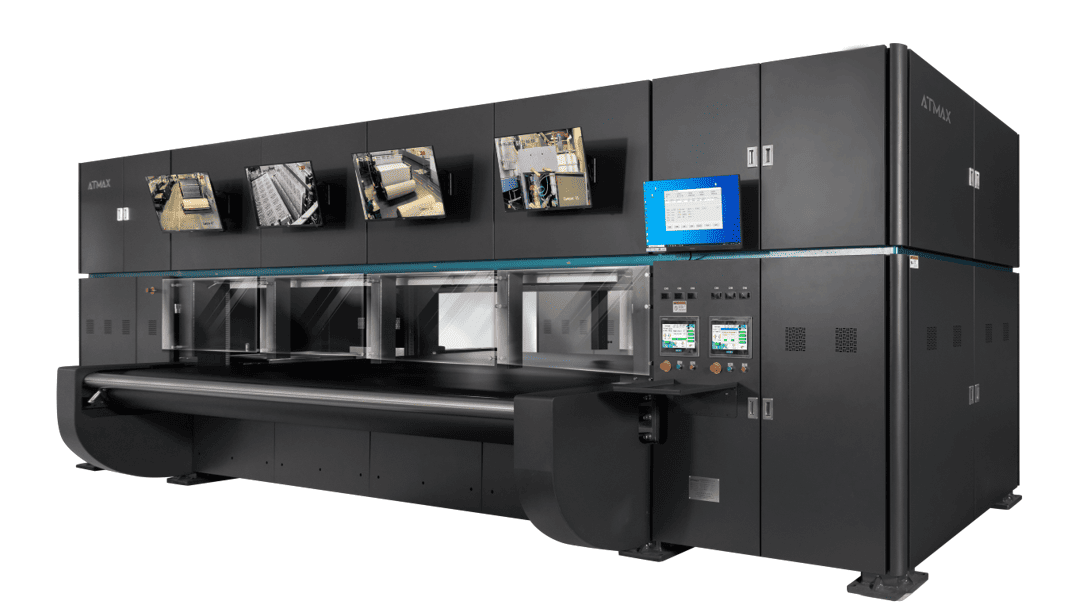
Can You Print on Nylon, Wool & Polyester Carpets? A Guide for African Manufacturers
As digital carpet printing continues to gain popularity across Africa, many manufacturers are asking an important question: Can you print on nylon, wool, and polyester carpets?
The answer is yes. Modern digital carpet printing technology can print on a wide range of carpet materials, including nylon, wool, polyester, polypropylene, and blended fibers. However, each material has unique characteristics that affect print quality, color vibrancy, durability, maintenance, and overall production costs.
For manufacturers in Kenya, Uganda, Tanzania, Rwanda, South Africa, and across the African continent, understanding how different carpet materials respond to digital printing is essential when selecting equipment, targeting customers, and developing new products.
This guide explores the most common carpet materials used in digital printing and helps manufacturers determine which options best suit their market needs.
Why Carpet Material Matters in Digital Printing
The quality of a digitally printed carpet depends on more than just the printer itself.
Several factors influence the final result, including:
- Fiber composition
- Surface texture
- Ink absorption
- Color retention
- Durability
- Intended application
Different materials react differently to inks and printing processes, making material selection a critical part of successful carpet manufacturing.
Choosing the right carpet substrate helps ensure:
- Better print quality
- Longer product lifespan
- Improved customer satisfaction
- Higher profitability
Printing on Nylon Carpets
Nylon is one of the most popular carpet materials used in commercial and hospitality environments.
Benefits of Nylon Carpets
Nylon offers several advantages for manufacturers and customers.
These include:
- Excellent durability
- Strong resistance to wear
- Good stain resistance
- High traffic performance
- Long product lifespan
Because of its durability, nylon is commonly used in:
- Hotels
- Office buildings
- Airports
- Conference centers
- Educational institutions
How Nylon Performs in Digital Printing
Nylon accepts digital printing exceptionally well.
Manufacturers can achieve:
- Vibrant colors
- Sharp details
- Complex patterns
- Consistent image quality
This makes nylon an excellent choice for custom-branded carpets and high-traffic commercial applications.
Best Applications
Digitally printed nylon carpets are ideal for:
- Hotel corridors
- Corporate offices
- Retail stores
- Convention centers
- Public spaces
For many commercial projects, nylon remains one of the most reliable carpet materials available.
Printing on Wool Carpets
Wool has long been regarded as a premium carpet material due to its natural appearance, softness, and durability.
Benefits of Wool Carpets
Wool offers several premium qualities.
These include:
- Natural fiber composition
- Luxurious feel
- Excellent insulation properties
- High durability
- Environmental sustainability
Wool carpets are often selected for upscale environments where appearance and comfort are priorities.
How Wool Performs in Digital Printing
Modern digital carpet printing systems can successfully print on wool carpets.
The material supports:
- Rich color reproduction
- Elegant design finishes
- High-end decorative patterns
However, wool typically requires specialized printing processes and careful color management to achieve optimal results.
Best Applications
Digitally printed wool carpets are commonly used in:
- Luxury hotels
- Executive offices
- High-end residences
- Boutique hospitality spaces
- Premium commercial interiors
Although wool is generally more expensive than synthetic materials, its premium appeal can justify higher selling prices.
Printing on Polyester Carpets
Polyester is another popular carpet material used throughout Africa.
Its affordability and versatility make it attractive for many projects.
Benefits of Polyester Carpets
Polyester carpets offer several advantages.
These include:
- Cost-effectiveness
- Excellent color clarity
- Soft texture
- Wide availability
- Good resistance to fading
For manufacturers serving price-sensitive markets, polyester can provide an attractive balance between quality and affordability.
How Polyester Performs in Digital Printing
Polyester is known for producing vibrant printed colors.
Digital printing on polyester carpets often delivers:
- Bright designs
- Strong color saturation
- Detailed graphics
- Consistent image quality
This makes polyester particularly suitable for decorative and promotional applications.
Best Applications
Digitally printed polyester carpets are commonly used for:
- Residential interiors
- Event flooring
- Exhibition carpets
- Temporary installations
- Promotional displays
Polyester is especially popular where visual impact is more important than extreme durability.
What About Polypropylene Carpets?
Many African manufacturers also use polypropylene carpets.
This material offers:
- Affordable production costs
- Moisture resistance
- Easy maintenance
- Suitable performance in low-traffic environments
While polypropylene can be digitally printed, manufacturers should verify compatibility with their chosen printing equipment and ink systems.
Comparing Nylon, Wool, and Polyester for Digital Printing
Nylon
Best for:
- Commercial projects
- High-traffic areas
- Long-term durability
Advantages:
- Exceptional strength
- Excellent print quality
- Long lifespan
Wool
Best for:
- Luxury applications
- Premium hospitality projects
- High-end residential interiors
Advantages:
- Natural appearance
- Premium feel
- Sustainable material
Polyester
Best for:
- Budget-conscious projects
- Decorative applications
- Event and exhibition flooring
Advantages:
- Vibrant colors
- Affordable pricing
- Attractive visual results
Each material serves a different market segment, allowing manufacturers to diversify their product offerings.
Choosing the Right Material for Your Customers
When selecting carpet materials for digital printing, manufacturers should consider:
Customer Budget
Different materials serve different price points.
Intended Usage
High-traffic environments often require more durable materials such as nylon.
Design Requirements
Certain projects may prioritize color vibrancy, luxury aesthetics, or environmental sustainability.
Maintenance Expectations
Commercial clients may prefer materials that are easier to clean and maintain.
Understanding customer needs helps manufacturers recommend the most suitable carpet solution.
The Future of Digital Carpet Printing in Africa
Demand for customized flooring solutions continues to grow across Africa.
Hotels, offices, educational institutions, shopping centers, and residential developments increasingly seek unique carpet designs that reflect their brand identity and interior design goals.
As digital carpet printing technology advances, manufacturers will gain even greater flexibility to print on a wide variety of materials while improving efficiency and reducing waste.
Businesses that understand the strengths of different carpet substrates will be better positioned to serve diverse market needs and expand their product offerings.
Conclusion
Printing on nylon, wool, and polyester carpets is not only possible but increasingly common in modern carpet manufacturing. Each material offers unique benefits depending on the intended application, budget, and performance requirements.
Nylon remains the preferred choice for high-traffic commercial environments, wool provides a premium solution for luxury projects, and polyester offers an affordable option with excellent color performance. By understanding the characteristics of each material, African manufacturers can make informed decisions, deliver better products, and capitalize on the growing demand for customized carpet solutions across the continent.