
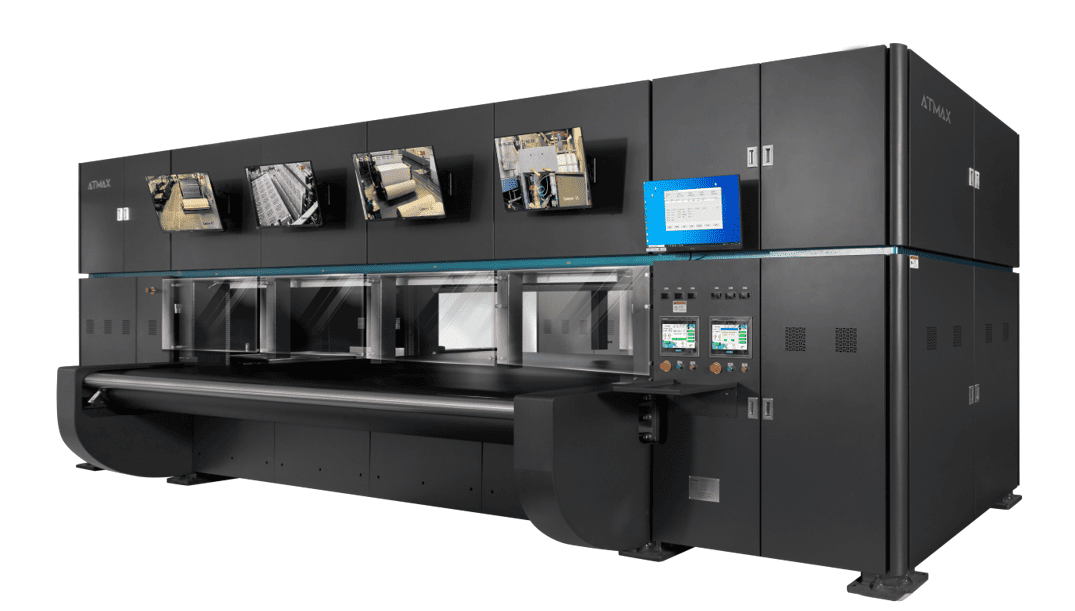
Textile Printing Equipment Suppliers in Kenya: What to Look For Before Buying
Kenya’s textile manufacturing sector is growing rapidly as businesses seek innovative ways to meet increasing demand for customized fabrics, carpets, apparel, upholstery, and interior décor products. As digital printing technology continues to transform the industry, many manufacturers are searching for reliable textile printing equipment suppliers in Kenya to help them modernize production and remain competitive.
Choosing the right textile printing equipment supplier is one of the most important decisions a business can make. The quality of the equipment, availability of technical support, training, spare parts, and after-sales service can significantly impact productivity and profitability.
Whether you are a startup entering the textile industry or an established manufacturer looking to upgrade your production line, this guide explains what to look for when selecting textile printing equipment suppliers in Kenya.
Why Choosing the Right Equipment Supplier Matters
Purchasing a textile printer is a major investment. A machine may serve your business for many years, making supplier selection just as important as the equipment itself.
A reliable supplier helps ensure:
- Consistent machine performance
- Professional installation
- Operator training
- Access to genuine spare parts
- Technical support when needed
- Reduced downtime
- Long-term business growth
Working with the wrong supplier can lead to costly repairs, production delays, and reduced product quality.
Understand Your Production Requirements
Before contacting textile printing equipment suppliers in Kenya, it is important to evaluate your business needs.
Ask yourself:
What Products Will You Print?
Different printers are designed for different applications, including:
- Carpets and rugs
- Fashion textiles
- Upholstery fabrics
- Home décor products
- Corporate branding materials
- Industrial textiles
Understanding your target market helps identify the most suitable printing technology.
What Is Your Production Volume?
Some businesses produce small custom batches while others require large-scale manufacturing.
Your expected production capacity will determine:
- Printer size
- Printing speed
- Automation requirements
- Ink consumption
- Operating costs
Selecting equipment that matches your production goals prevents overspending or underinvesting.
Evaluate the Printing Technology
Not all textile printing systems are the same.
Leading textile printing equipment suppliers in Kenya should offer solutions based on modern technologies.
Digital Textile Printing
Digital textile printing uses advanced inkjet technology to print designs directly onto fabric surfaces.
Benefits include:
- Fast setup
- Custom designs
- Reduced waste
- Small-batch production
- High-resolution output
This technology is ideal for manufacturers seeking flexibility and customization.
Digital Carpet Printing
Digital carpet printing has become increasingly popular among carpet manufacturers across East Africa.
Advantages include:
- Custom carpet designs
- Corporate branding opportunities
- Hotel and hospitality applications
- Faster production cycles
- Lower setup costs
Manufacturers serving the flooring industry should consider suppliers specializing in carpet printing solutions.
Assess Machine Quality and Reliability
The quality of the machine directly affects production output and customer satisfaction.
When evaluating textile printing equipment suppliers in Kenya, ask about:
Print Resolution
Higher print resolution produces sharper images and more vibrant colors.
Print Speed
Production efficiency depends on how quickly a machine can complete jobs without sacrificing quality.
Durability
Industrial textile printers should withstand continuous operation while maintaining consistent performance.
Ink Compatibility
Ensure the equipment supports the appropriate textile inks for your target materials.
Reliable suppliers should be transparent about machine specifications and performance expectations.
Check Availability of Technical Support
One of the biggest mistakes businesses make is focusing only on machine price.
Technical support is often more valuable than initial savings.
A good supplier should provide:
- Installation assistance
- Operator training
- Remote troubleshooting
- Preventive maintenance support
- On-site servicing when necessary
Fast support minimizes downtime and protects production schedules.
Ensure Spare Parts Are Readily Available
Equipment maintenance is unavoidable.
Before purchasing any machine, confirm that the supplier can provide:
- Genuine spare parts
- Replacement printheads
- Ink delivery components
- Electronic parts
- Maintenance kits
A machine is only valuable if it can be serviced quickly when issues arise.
Consider Training and Knowledge Transfer
Modern textile printers include advanced software and production systems.
Proper training helps operators:
- Improve print quality
- Reduce material waste
- Increase productivity
- Perform routine maintenance
- Solve common operational issues
Professional suppliers invest in customer education because successful clients become long-term partners.
Compare Total Cost of Ownership
Many businesses focus solely on the purchase price.
However, the total cost of ownership includes:
Initial Equipment Cost
The machine itself and installation expenses.
Ink Consumption
Different systems vary significantly in operating costs.
Maintenance Expenses
Routine servicing and replacement parts should be factored into budgeting.
Energy Usage
Efficient equipment helps reduce long-term operating costs.
Staff Training
Well-trained operators maximize equipment performance and profitability.
A slightly more expensive machine often delivers better value over time.
Why Local Support Matters in Kenya
Businesses operating in Kenya benefit greatly from suppliers with regional expertise and support capabilities.
Local support provides:
- Faster response times
- Better understanding of market requirements
- Easier communication
- Reduced shipping delays for spare parts
- On-site assistance when required
This becomes especially important for high-production manufacturing facilities.
Questions to Ask Before Buying
Before selecting a supplier, ask the following questions:
- What industries do your machines serve?
- What materials can the equipment print?
- What is the expected production capacity?
- What training is included?
- How quickly can spare parts be supplied?
- What warranty is offered?
- Do you provide installation services?
- What technical support options are available?
The answers will help identify suppliers that prioritize customer success.
Conclusion
Finding the right textile printing equipment suppliers in Kenya requires more than simply comparing machine prices. Businesses must evaluate technology, machine quality, support services, spare parts availability, training, and long-term operating costs.
As Kenya’s textile and manufacturing sectors continue to grow, investing in reliable digital printing equipment can create new opportunities for customization, efficiency, and profitability. Partnering with a trusted supplier ensures your business has the tools and support needed to compete successfully in the evolving textile industry.