
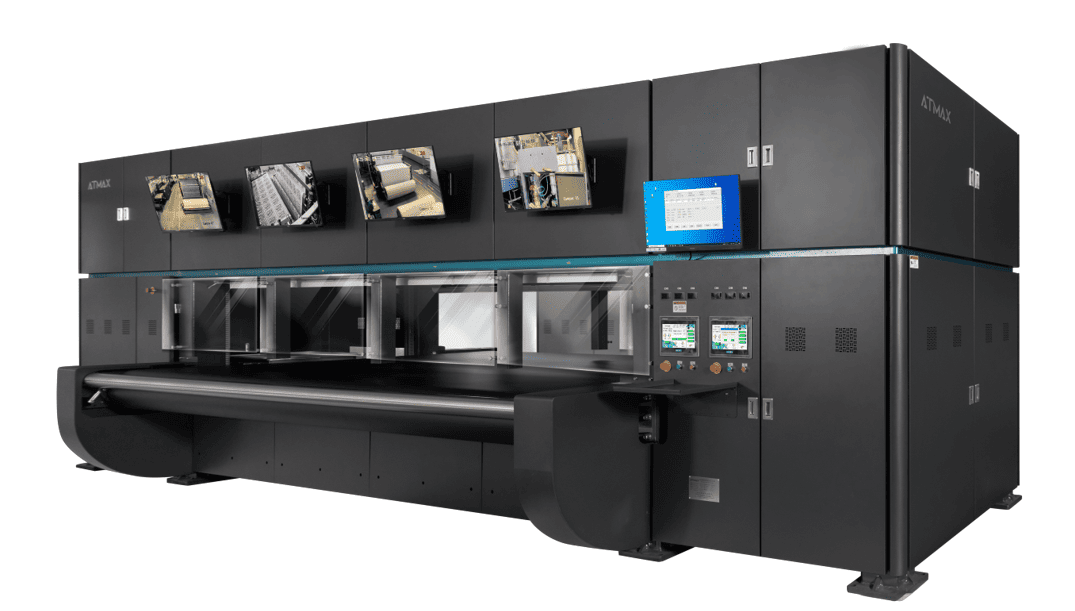
Digital Carpet Printing in Kenya
The textile and flooring industries in Kenya are experiencing rapid transformation as businesses adopt modern manufacturing technologies. One of the most significant innovations in recent years is digital carpet printing in Kenya, a technology that allows manufacturers to create high-quality, customized carpets with greater efficiency and lower production costs.
As demand grows for personalized interior décor, hospitality flooring, commercial carpets, and branded floor coverings, digital carpet printing is becoming an attractive investment for Kenyan manufacturers. From hotels and offices to schools, shopping malls, and residential projects, digitally printed carpets are opening new business opportunities across East Africa.
In this guide, we explore how digital carpet printing works, its benefits, applications, and why it is becoming a game-changer for manufacturers in Kenya.
What Is Digital Carpet Printing?
Digital carpet printing is a modern manufacturing process that uses advanced inkjet printing technology to apply designs directly onto carpet surfaces. Unlike traditional methods that rely on screens or rollers, digital printers can reproduce complex patterns, photographic images, and vibrant colors with exceptional precision.
The technology works by depositing specialized textile inks onto carpet materials such as:
- Nylon carpets
- Polyester carpets
- Wool carpets
- Polypropylene carpets
- Blended textile flooring materials
Manufacturers can produce custom designs without the need for expensive screen setups, making it ideal for both large-scale production and small custom orders.
Why Digital Carpet Printing Is Growing in Kenya
Several factors are driving the adoption of digital carpet printing technology in Kenya.
Growing Construction Industry
Kenya’s expanding construction sector has increased demand for carpets in hotels, offices, shopping centers, educational institutions, and residential developments.
Developers increasingly seek customized flooring solutions that match specific branding and interior design requirements.
Demand for Customization
Modern customers want unique products. Hotels may require branded carpets, while businesses may want flooring that incorporates company logos and colors.
Digital carpet printing allows manufacturers to create customized designs quickly and cost-effectively.
Faster Production Times
Traditional carpet printing methods can take days or weeks to prepare. Digital printing significantly reduces setup time, allowing manufacturers to deliver projects faster.
Sustainable Manufacturing
Many modern digital carpet printers use environmentally friendly printing processes that reduce water consumption and minimize waste.
This makes digital printing an attractive option for businesses pursuing sustainable manufacturing practices.
Key Benefits of Digital Carpet Printing
Unlimited Design Possibilities
Digital printing enables manufacturers to produce:
- Complex geometric patterns
- Floral designs
- Corporate branding
- Custom artwork
- Photographic images
The design flexibility is far greater than traditional printing methods.
Cost-Effective Short Runs
Traditional printing becomes expensive when producing small quantities.
Digital carpet printing eliminates screen preparation costs, making short-run production economically viable.
Improved Color Accuracy
Advanced digital printers can reproduce millions of color variations with exceptional consistency.
This is especially important for hospitality, retail, and corporate projects where branding accuracy matters.
Reduced Material Waste
Because designs are printed directly from digital files, manufacturers avoid many of the waste issues associated with conventional production methods.
Applications of Digital Carpet Printing in Kenya
Digital carpet printing serves a wide range of industries.
Hospitality Industry
Hotels, resorts, and conference centers often require customized carpets that reflect their brand identity.
Digital printing allows unique designs to be created for individual properties.
Corporate Offices
Businesses use branded carpets to create professional environments while reinforcing their visual identity.
Educational Institutions
Schools and universities can install durable, custom-designed flooring featuring school colors and logos.
Retail Spaces
Shopping centers and retail outlets use customized flooring to enhance customer experiences and improve brand recognition.
Residential Projects
Homeowners increasingly seek personalized interior décor solutions, creating new opportunities for carpet manufacturers.
Challenges Facing Carpet Manufacturers
Despite its advantages, digital carpet printing requires careful planning.
Manufacturers must consider:
- Equipment investment costs
- Staff training requirements
- Ink and consumable management
- Equipment maintenance
- Quality control procedures
Partnering with experienced technology suppliers can help businesses overcome these challenges.
Is Digital Carpet Printing a Good Investment in Kenya?
For many manufacturers, the answer is yes.
The ability to offer customized products, reduce production times, and serve multiple industries creates strong growth potential.
As Kenya continues to position itself as a regional manufacturing hub, businesses that invest in advanced textile technologies are likely to gain a competitive advantage.
Furthermore, the growing demand for customized flooring solutions across East Africa creates opportunities for both local sales and regional exports.
Conclusion
Digital carpet printing in Kenya is transforming how carpets are designed and manufactured. By offering greater flexibility, faster production, improved sustainability, and enhanced customization, the technology is helping manufacturers meet the changing needs of modern customers.
As demand continues to grow across hospitality, commercial, retail, and residential sectors, digital carpet printing is expected to play a major role in the future of Kenya’s textile and flooring industries.
Businesses looking to stay competitive should explore modern digital carpet printing solutions and invest in technologies that support innovation, efficiency, and long-term growth.